


The Menopause & Dry Eye Clinic

When oestrogen falls, your eyes feel it first.

Persistent grittiness, blurred vision and burning are not simply tiredness. They are clinical signs of Meibomian Gland Dysfunction, a condition that accelerates sharply during peri-menopause and menopause. Opticare's specialist clinic combines Antares corneal topography with Lumenis OptiLIGHT IPL therapy to restore tear film stability and visual comfort.

86%
of menopausal women report dry eye symptoms
1
FDA-approved IPL platform for dry eye
4
practices across the East Midlands
Smiling mature woman in profile, comfortable and clear-eyed after dry eye therapy

Clinical Pathway

Diagnose. Map. Treat. Sustain.

A structured protocol built around your meibomian gland health.

Specialist Optometrist-Led Care

Lumenis OptiLIGHT Partner

Antares Corneal Topography

OptiPlan Monthly Care Plans

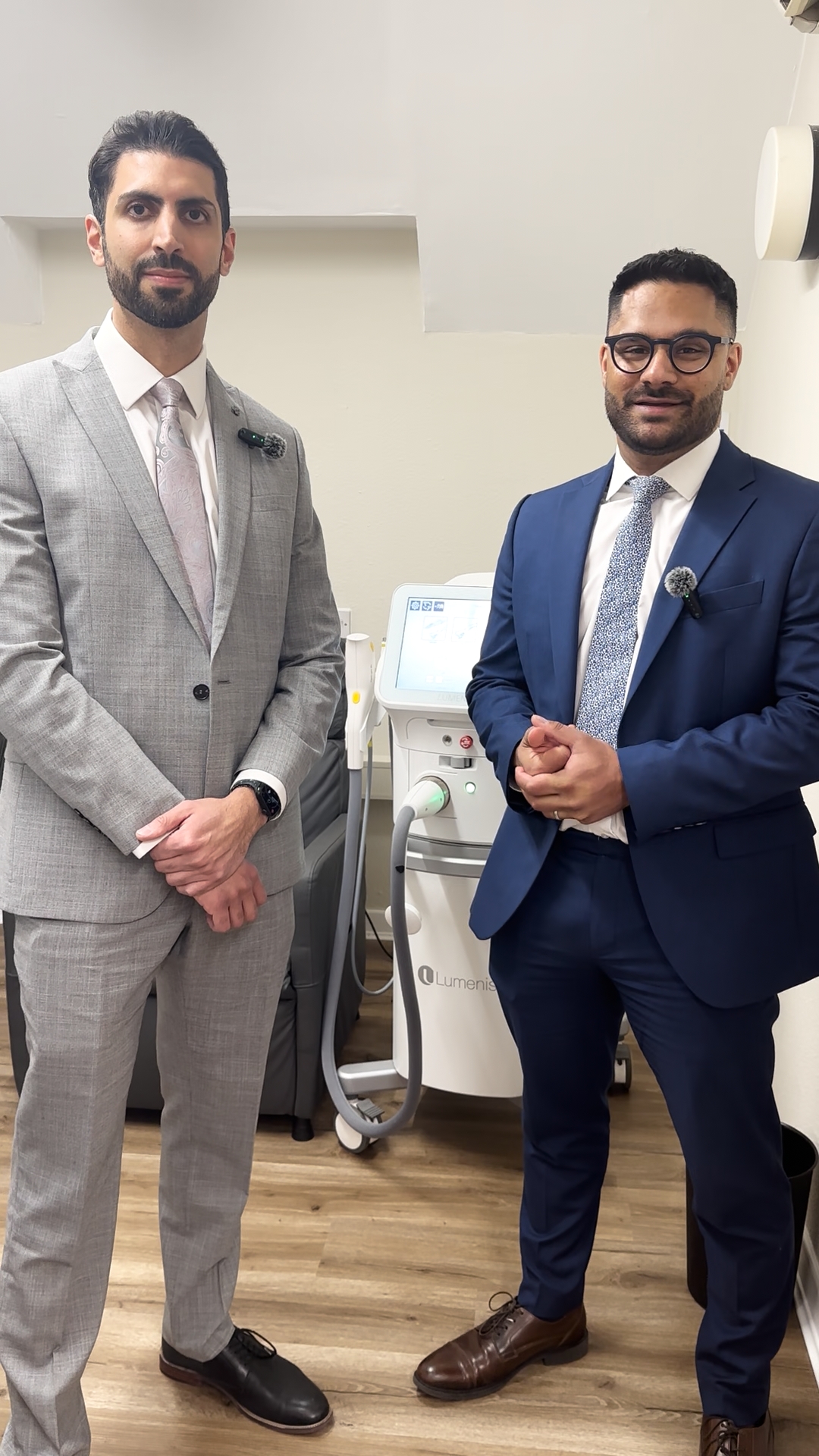
Two Opticare specialist optometrists alongside the Lumenis OptiLIGHT IPL system in the Newark dry eye clinic
Your Specialist Clinicians

Optometrist-led care, from first scan to final session.

Every assessment, OptiLIGHT IPL session and follow-up review at Opticare is delivered personally by our accredited dry eye optometrists. You will see the same clinical team throughout your course of treatment, giving continuity, careful calibration and a thorough understanding of how your meibomian gland health is progressing.

The specialist clinic operates from our central Newark hub, with consultations and aftercare available across our Anstey, Birstall and Sileby practices.

See the technology they use →
The Clinical Link

Hormonal Shifts and Ocular Surface Health

Falling oestrogen and androgen levels during perimenopause and menopause directly affect the meibomian glands located inside your eyelids. These tiny glands produce the vital lipid (oil) layer of your tear film. When hormone levels drop, oil production decreases or stalls entirely.

Without this protective oil layer, your natural tears evaporate too quickly. This rapid evaporation leaves the delicate surface of the eye exposed, leading to chronic inflammation, redness, burning, and a persistent sensation of sand behind the eyelids.

A Common Clinical Paradox

The Watery Eye Paradox

Many women experience constantly streaming eyes and assume they cannot have dry eye disease. This is a common clinical paradox.

When your tear film lacks oil, tears evaporate almost instantly. Your nervous system detects this surface dryness and signals the lacrimal gland to flood the eye with basic watery tears as an emergency reflex. Because these reflex tears lack oil, they run down your face without soothing or lubricating the ocular surface.

Our Clinical Pathway

Moving Beyond Short-Term Drops

Standard lubricating eye drops provide temporary surface hydration, but they do not unblock meibomian glands or restore natural oil production. Managing symptoms with drops alone requires constant reapplication without addressing the root cause.

Our clinical pathway focuses on long-term rehabilitation:

  1. 01

    Advanced Diagnostic Screening

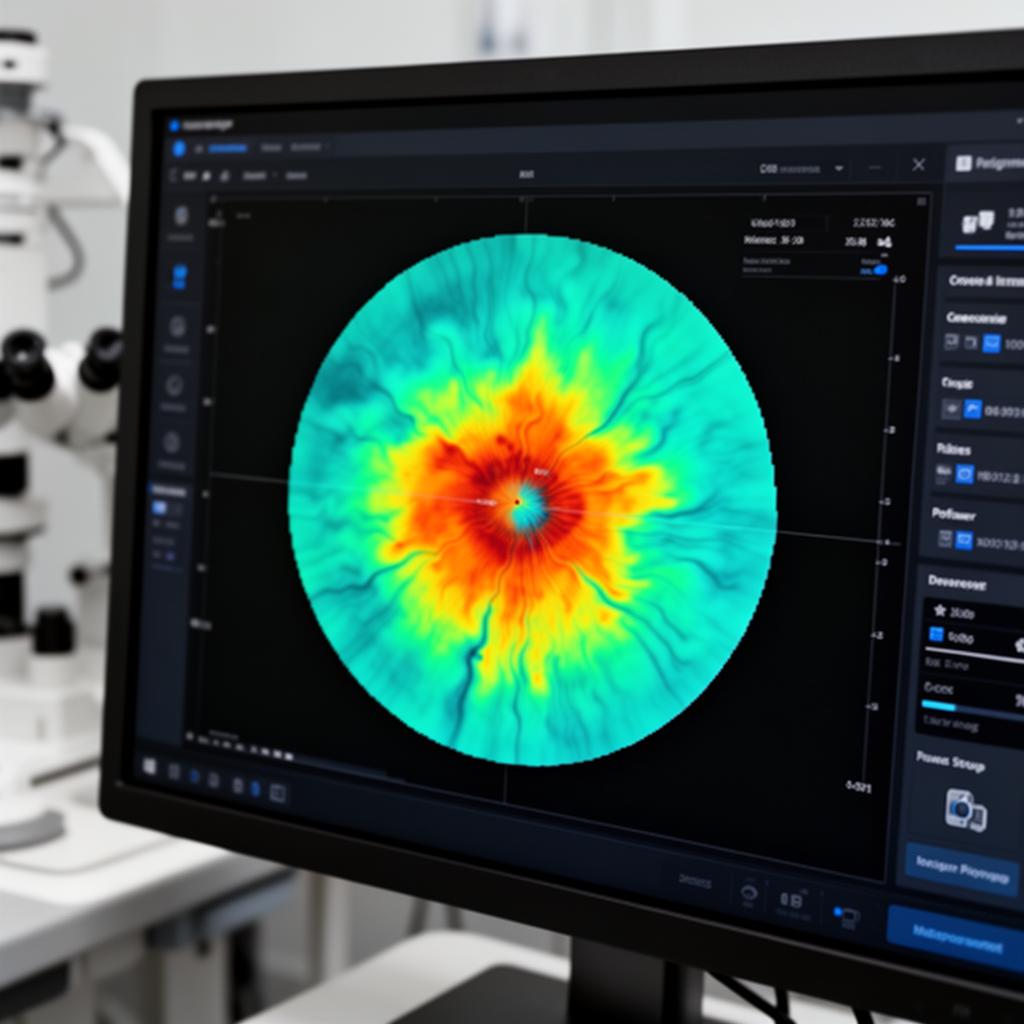
    Non-invasive corneal topography (using our Antares system) maps your tear film break-up time, measures lipid layer thickness, and captures detailed images of your meibomian glands to identify specific blockages.

  2. 02

    Root-Cause Treatment

    Once mapped, we treat dysfunctional glands directly using FDA-approved OptiLIGHT Intense Pulsed Light (IPL) therapy. Gentle light pulses calm inflammation, break the cycle of meibomian gland dysfunction, and help restore your natural tear stability.

  3. 03

    Accessible Care Plans

    Patients can spread the cost of advanced dry eye assessments and treatment courses over 12 months using our flexible OptiPlan framework.

Recognising the Signs

If three or more sound familiar, a clinical assessment is indicated.

  • Persistent grittiness or a sandy sensation
  • Burning or stinging upon waking
  • Watery, reflex tearing throughout the day
  • Blurred vision that clears momentarily after blinking
  • Difficulty tolerating contact lenses
  • Light sensitivity, particularly with screen use
  • Crusted or sticky eyelid margins
  • Tired, heavy eyes by mid-afternoon
  • Symptoms that worsen in air-conditioned spaces
Technology Spotlight

Diagnostic precision, paired with therapeutic light.

Effective dry eye care begins with a complete clinical picture. We measure, map and then treat, so every session is calibrated to your ocular surface.

Corneal topography map displayed on a clinical diagnostic screen
Stage One

Comprehensive Dry Eye Assessment & Mapping

We begin with a detailed clinical assessment to understand the root cause of your symptoms. This stage combines your full ocular history with advanced diagnostics, including corneal topography and tear film analysis, to create a precise baseline of your eye health.

This detailed "map" of your dry eye allows us to determine the exact parameters required for your personalised light therapy sessions.

  • Advanced Tear Film Analysis: Evaluating your tear quality and breakup time.
  • Meibography: Detailed imaging of your meibomian glands to assess structural function.
  • Clinical History & Slit Lamp Examination: A thorough evaluation of your ocular surface to rule out other conditions and tailor your treatment.
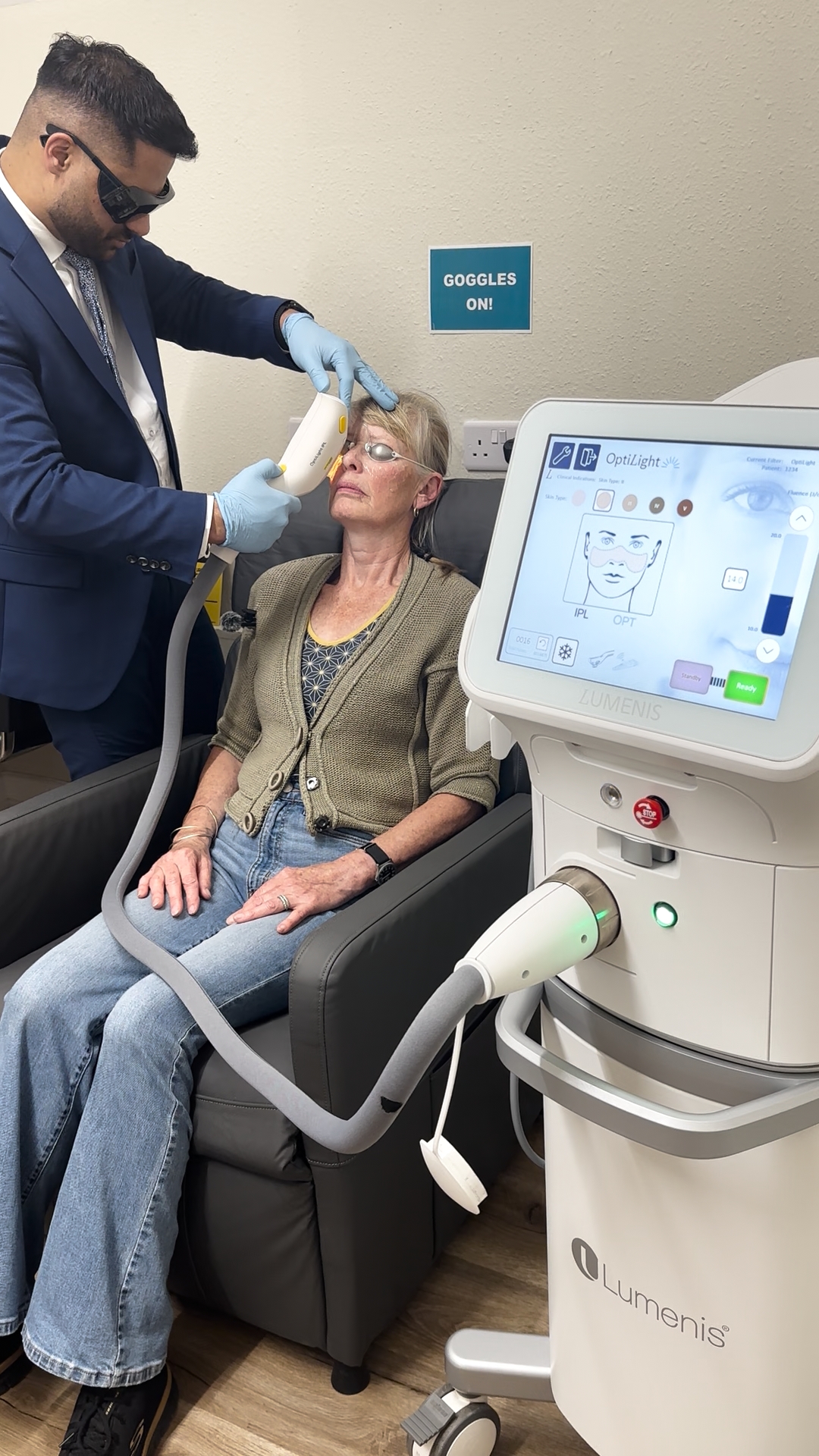
Opticare optometrist delivering a Lumenis OptiLIGHT IPL session to a patient wearing protective goggles
Stage Two

Lumenis OptiLIGHT IPL

OptiLIGHT is the only Intense Pulsed Light platform FDA-approved for the management of dry eye disease. Calibrated pulses of light reduce abnormal blood vessels driving inflammation, neutralise demodex mites and restore meibomian gland function from the source outward.

  • Four sessions delivered over 6 weeks  (2 weeks between treatment).
  • Comfortable, in-clinic, with no downtime
  • Clinically proven to reduce ocular surface inflammation
Our Practice Locations

Four practices across the Midlands, one specialist hub.

Opticare Opticians operates four community practices across the Midlands. Initial consultations and dry eye diagnostics are provided at all four practices, while our specialised diagnostic and IPL treatment suite is hosted at our main Newark hub.

Newark Practice

Dry Eye & Advanced Treatment Hub

Treatment Hub

Address

3 Paxtons CourtNewark, NottinghamshireNG24 1DH

Services

Comprehensive eye tests, initial dry eye consultations, advanced Antares corneal topography diagnostic mapping, and Lumenis OptiLIGHT IPL therapy.

Anstey Practice

Community Practice, Dry Eye Diagnostics

Address

9 The NookAnstey, LeicestershireLE7 7AZ

Services

Comprehensive eye tests, slit lamp ocular assessments, and initial dry eye diagnostics with direct referral to our Newark hub.

Birstall Practice

Community Practice, Dry Eye Diagnostics

Address

655 Loughborough RoadBirstall, LeicestershireLE4 4NL

Services

Comprehensive eye tests, slit lamp ocular assessments, and initial dry eye diagnostics with direct referral to our Newark hub.

Sileby Practice

Community Practice, Dry Eye Diagnostics

Address

22 King StreetSileby, LeicestershireLE12 7NA

Services

Comprehensive eye tests, slit lamp ocular assessments, and initial dry eye diagnostics with direct referral to our Newark hub.

Access to Treatment

Two clear ways to access OptiLIGHT.

Choose the option that fits your circumstances. Both include the same clinical standard of OptiLIGHT IPL treatment delivered at our Newark hub.

Best Value

Option 1

OptiLIGHT Complete

£95

per month for 12 months

Our primary package combining the full OptiLIGHT IPL treatment course with a complete year of OptiPlan membership benefits (over £500 in added value).

Includes:

  • All 4 recommended OptiLIGHT IPL treatment sessions.
  • Free annual enhanced eye examination (normally £75).
  • Complimentary dry eye assessments every 6 months (normally £75).
  • Complimentary BlephEx treatment every 6 months if required (normally £75).
  • Complimentary 3D retinal OCT scans every 6 months (normally £50).
  • Free emergency appointments (normally £50).
  • 30% discount on frames, lenses, and sunglasses.
  • 10% discount on our online shop.
  • Priority appointment scheduling within 48 hours.
  • Free contact lens trials and exclusive member promotions.
  • Extended 2-year scratch guarantee on HOYA spectacle lenses.

Note: After 12 months, an ongoing care plan is available at a reduced cost for continued care and maintenance.

Book Your Assessment

Option 2

Pay Per Treatment

£250

per session

A straightforward, pay-as-you-go option for individual OptiLIGHT IPL sessions.

Includes:

  • Single OptiLIGHT IPL treatment session with no ongoing commitment.
  • No OptiPlan membership or additional member benefits included.

Note: A course of 4 sessions is recommended for optimal clinical effectiveness.

Book a Single Session
Clinical Questions

What our patients ask before treatment.

Is OptiLIGHT IPL safe during peri-menopause and menopause?

Yes. OptiLIGHT operates entirely on the skin around the eye, not on the eye itself. Protective shields are worn throughout. The therapy is FDA-approved and routinely delivered to women managing hormonal dry eye.

How quickly will I notice an improvement?

Most patients report a measurable reduction in symptoms after the second session, with the full clinical benefit consolidated at the twelve-week review.

What does OptiLIGHT Complete cover?

OptiLIGHT Complete includes all four recommended IPL sessions plus a full year of OptiPlan membership benefits, spread across £95 per month for 12 months.

Can I start treatment if I attend the Anstey, Birstall or Sileby practice?

Yes. Our community practices provide initial dry eye consultations and diagnostics, with direct referral into the Newark hub where OptiLIGHT IPL is delivered.

Begin Your Pathway

Comfortable, stable vision is a clinical outcome, not a hope.

Speak with our specialist team at the Newark Dry Eye Clinic. Same-week consultations are typically available.